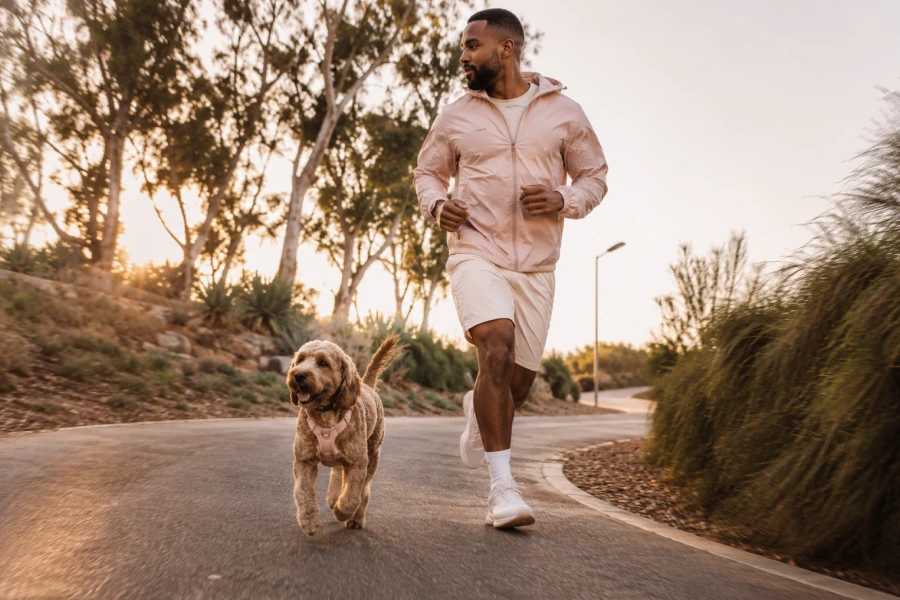
A dog workout routine can make ordinary movement feel more purposeful for both ends of the leash. It creates structure without turning companionship into another demanding obligation. Your dog receives physical stimulation, while you gain a reason to move consistently. The strongest routines begin with observation rather than intensity. Energy, age, weather, surface conditions, and recovery all shape the right session. Small adjustments keep exercise enjoyable instead of exhausting.
Dogs rarely care about mileage, pace, or perfect repetitions. They respond to novelty, encouragement, and the chance to explore beside someone they trust. A playful structure can still deliver meaningful activity. Add short changes in direction, brief pauses, and simple cues during a walk. Those variations invite attention without demanding constant obedience. That makes a daily dog fitness routine more likely to survive beyond the first enthusiastic week.
Playfulness does not require complicated equipment or a large outdoor space. A hallway can support controlled recalls, while a yard can become a gentle interval course. Even a familiar sidewalk changes when you alternate brisk sections with relaxed sniffing breaks. Keep rewards small and praise specific. Your dog should understand which behavior earned attention. Rotate activities before boredom appears. Finish while energy remains positive. That ending builds anticipation for the next session.
Daily energy changes for dogs just as it does for people. Sleep, temperature, stress, age, and recent activity can alter readiness. Begin each session with a quiet check. Notice gait, breathing, eagerness, and general responsiveness. A dog that appears stiff or unusually reluctant may need recovery instead of challenge. On energetic days, extend the active portions gradually. On slower days, choose mobility, sniffing, and easy skill work. This flexible approach protects trust.
Owners benefit from the same honest assessment. A demanding workday may not support a long run, but ten focused minutes still count. Choose a minimum version of the session before motivation drops. That could mean three brisk blocks during a walk or several indoor movement games. The goal is continuity, not punishment. A practical pet exercise plan should fit variable days without losing its identity.
Preparation matters because dogs cannot explain discomfort with words. Check the ground temperature, remove dangerous debris, and choose a secure route. Use equipment that allows comfortable movement without rubbing or restricting breathing. Begin slowly enough to observe coordination. Puppies, senior dogs, flat-faced breeds, and dogs with medical concerns may need professional guidance before increased activity. Hydration also deserves attention, especially in heat. Avoid heavy meals immediately before intense movement.
Progress should rise in small steps. Add either time, speed, complexity, or distance, but not everything together. This makes the source of fatigue easier to identify. Soft surfaces may reduce impact, although uneven ground requires more balance. Weather changes can also transform a familiar route. Heat increases strain, while ice creates slipping hazards. Indoor alternatives protect consistency when conditions become unsuitable. The best safety habits feel routine rather than dramatic.
Physical activity often works best when paired with simple thinking tasks. Ask for a pause at a curb, a hand target before changing direction, or a calm wait before release. These moments interrupt frantic momentum and invite cooperation. They also teach the dog to shift between action and control. That skill carries into daily life. Walks may become smoother, greetings less chaotic, and recovery after excitement faster.
Mental work should remain achievable during movement. Difficult cues can frustrate a dog whose attention is already divided. Start with behaviors that are reliable at home. Reward quickly, then continue the activity. Keep training bursts short enough to preserve momentum. Over time, add mild distractions and new environments. A well-paced dog walking workout can combine cardio, coordination, and communication without feeling formal. The result is often a dog that finishes pleasantly satisfied.
Simple records reveal patterns that memory easily misses. Note the activity, approximate duration, weather, energy before starting, and recovery afterward. A few words are enough. Over several weeks, you may notice that certain surfaces, times, or games produce better engagement. You may also catch early signs of overdoing it. Progress can appear as steadier pacing, quicker recovery, better focus, or greater enthusiasm. Distance is only one measure.
Avoid comparing one dog with another. Breed tendencies offer context, but individuals still vary widely. Celebrate consistency before intensity. If three short sessions fit your week, that pattern may be more valuable than one exhausting outing. Review records monthly and adjust one variable at a time. You can lengthen active intervals, add a new surface, or introduce a different game. Keep recovery days visible on the plan.
Shared movement lasts longer when it connects naturally with existing routines. Place a short session before breakfast, after work, or alongside an evening walk. Prepare the leash, water, and rewards in advance. Reduce the number of decisions required at the starting moment. Family members can share roles, provided everyone uses consistent cues and safety rules. Children may help with simple reward delivery under supervision.
Keep the emotional tone light. Missed days do not erase progress, and shortened sessions still preserve the habit. Return to the next available opportunity without compensating through excess. Seasonal changes may require new timing, different surfaces, or more indoor work. Adaptation is part of the system. The most successful routine supports the relationship rather than competing with it. Movement becomes a shared language built through repetition.




Leave a comment