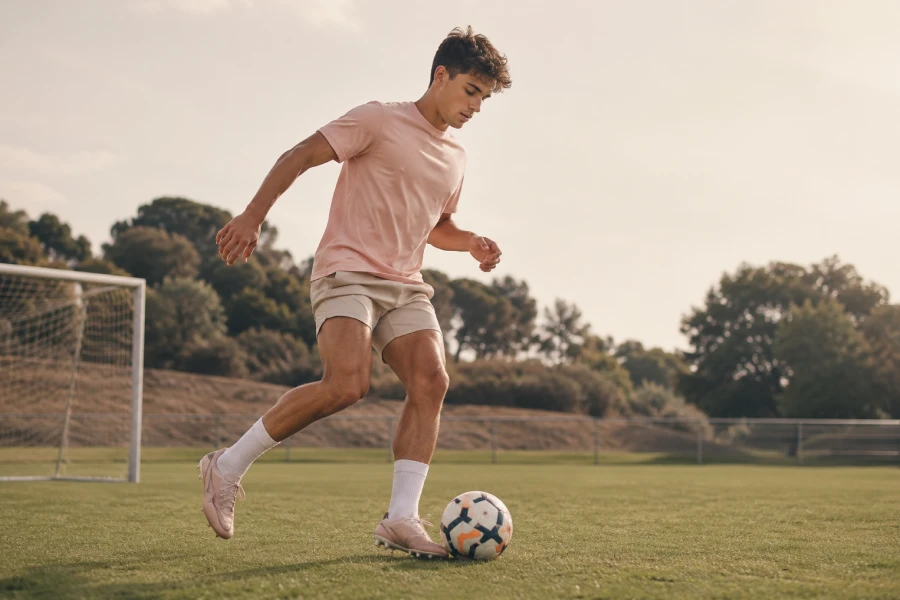
A sports specific warm up prepares athletes for the movements, decisions, and speeds their activity actually demands. General jogging may raise temperature, but sport adds direction changes, reactions, contact, jumping, throwing, or repeated acceleration. Preparation should gradually introduce those qualities. The sequence begins broadly, then becomes increasingly recognizable. Athletes should finish feeling alert and coordinated rather than tired. Coaches also gain a chance to observe readiness before competition starts. When the warm-up reflects the sport, the first intense play feels less abrupt and technical cues become easier to access.
List the actions that appear most often in the sport. Soccer includes acceleration, deceleration, cutting, and kicking. Basketball adds jumping, landing, and lateral movement. Tennis requires quick starts, rotation, and repeated reaches. Build preparation around those patterns. A thoughtful athlete warm up sequence moves from general activity to controlled rehearsal, then toward game speed. This progression exposes the body to demand without beginning at maximum intensity.
Consider position and role as well. A goalkeeper has different needs from a midfielder. A pitcher prepares differently from an infielder. Shared team work can cover general qualities, while small position groups add specific rehearsal. Keep the structure simple enough to coach clearly. Too many drills create lines, confusion, and lost intensity. The best sequence looks organized because every movement has a connection to the game.
Speed should rise in stages. Begin with easy movement and joint preparation. Add dynamic patterns, then controlled accelerations and direction changes. Finish with short efforts near game pace when appropriate. Rest between high-quality repetitions. Fatigue changes mechanics and decision-making. A progressive exercise performance routine should sharpen movement, not drain it. Athletes need enough exposure to feel ready while preserving energy for competition.
Use distance and complexity carefully. Straight-line acceleration may come before reactive cutting. Planned footwork may come before opponent-based drills. This order reduces chaos while coordination develops. Increase one demand at a time. When speed rises, keep instructions brief. Athletes cannot process several technical cues during fast movement. One clear focus supports better execution and confidence.
Sport involves reactions, so warm-ups should eventually include simple choices. A coach can signal direction, color, or movement. Partners can mirror each other at moderate speed. Ball work can include controlled passing under light pressure. Start with predictable rules and expand gradually. Reactive drills should appear after athletes understand the movement pattern. Otherwise, decision-making hides poor mechanics. The goal is readiness, not entertainment.
Keep competitive energy under control. Athletes may turn a simple reaction drill into a maximum-effort contest. Set boundaries for distance and intensity. Stop the exercise when quality declines. Short rounds preserve focus and reduce unnecessary collisions. Decision-making should make the sequence more relevant, not more dangerous. Well-designed reactions increase alertness while maintaining clear organization.
Warm-ups cannot prevent every injury, but they can reveal readiness concerns. Coaches should watch movement quality, hesitation, and unusual asymmetry. Athletes should report pain or instability early. Familiar drills make changes easier to notice. A structured injury prevention warm up approach supports communication and progressive exposure. It does not guarantee safety, yet it can reduce careless jumps from rest to full demand.
Landing, braking, and direction changes deserve careful attention because they involve force control. Begin at lower speed and reinforce stable positions. Increase intensity only when athletes demonstrate control. Equipment, surface, and weather also influence risk. Wet courts, cold fields, or unfamiliar shoes may require adjustments. Preparation must respond to the environment rather than following the same script blindly.
Team preparation often loses time through long explanations and crowded lines. Use familiar formations, visible boundaries, and consistent terminology. Demonstrate quickly, then begin. Choose drills that keep most athletes moving. Stations can help when equipment is limited, although transitions must remain simple. Assign leaders who understand the sequence. Repetition across the season reduces setup time and improves execution.
Create versions for training, competition, travel, and limited space. The core progression should remain recognizable. General movement, mobility, activation, rehearsal, and speed can fit different environments. A shortened version may reduce volume, but it should preserve the order. This consistency helps athletes settle mentally. It also makes last-minute schedule changes less disruptive.
Evaluate the warm-up by what follows. Did athletes begin sharply? Did the first drills feel coordinated? Were players focused without appearing fatigued? Ask for brief feedback from several roles. Video may reveal whether movement quality improved across the sequence. Keep useful elements and remove those that create delays. Avoid changing the entire routine after one poor performance. Competition outcomes depend on many factors beyond preparation.
Review the sequence when tactics, season phase, weather, or roster needs change. Youth teams may need more instruction. Experienced teams may need faster transitions and greater autonomy. Athletes returning from injury require individualized guidance. A strong warm-up remains stable enough to become familiar and flexible enough to stay relevant. That balance turns preparation into a practical performance tool rather than a ceremony completed before the real work begins.




Leave a comment