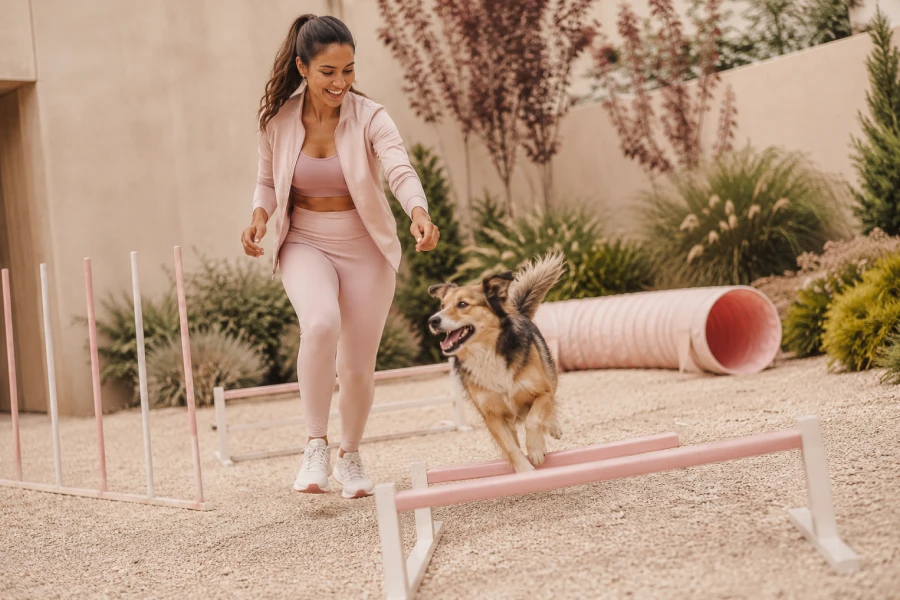
Canine fitness activities can turn restless energy into purposeful movement without demanding an elaborate training setup. They help dogs use their bodies, solve small problems, and reconnect with their owners. The best options fit the space, weather, and current ability of each dog. A ten-minute indoor session can be valuable when outdoor conditions fail. A slow trail walk can challenge balance more than a fast sidewalk loop.
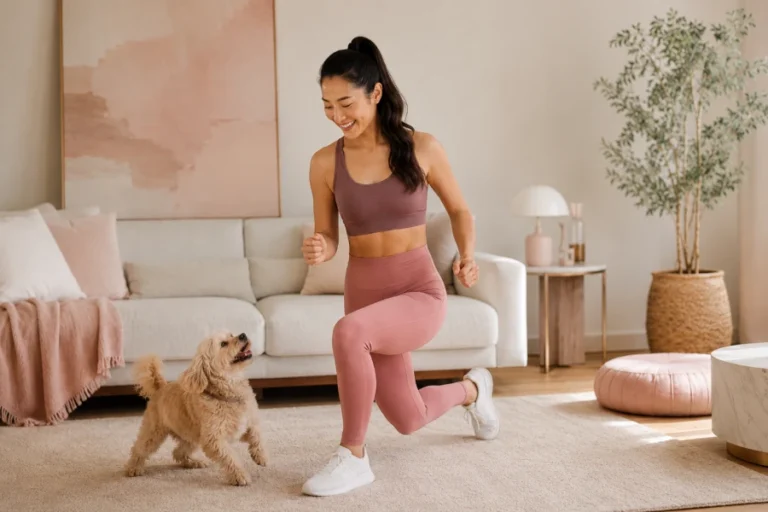
Limited space does not eliminate meaningful movement. Use a clear hallway for controlled recalls between two people. Place safe household objects far apart for slow weaving. Practice stepping onto a stable low platform with calm guidance. Hide a few treats around one room and encourage a walking search. A compact dog activity ideas collection gives apartment dwellers practical options when weather, darkness, or time makes a long outing unrealistic.
Indoor work benefits from deliberate pacing. Dogs can become overexcited when space feels tight, so alternate action with calm pauses. Ask for a settle between short rounds. Use food rewards carefully to avoid frantic movement. If the dog slips, lower the speed and simplify the pattern. Soft lighting and reduced noise may help sensitive dogs focus. End with an easy success, such as a familiar touch cue or relaxed search.
A familiar route can become more engaging through small changes. Alternate relaxed walking with short brisk sections. Add gentle hills when the dog moves comfortably. Pause for simple directional cues at safe points. Use wide curves around trees or benches instead of walking only in straight lines. Natural surfaces introduce subtle balance demands. Sniffing breaks provide mental recovery and environmental information. These additions make the outing richer without requiring extreme distance.
Outdoor variety should remain controlled. Avoid sudden jumping from heights, repeated sharp turns at speed, or unstable obstacles. Choose routes with safe footing and enough room to change pace. Keep leash handling smooth so the dog can move naturally. In secure areas, short recall games may add enthusiasm. A practical safe dog exercises approach favors gradual exposure and clear exits. If the dog appears uncertain, return to easier terrain.
Puppies, adult dogs, and seniors need different forms of challenge. Young dogs often benefit from short exploratory sessions rather than repetitive impact. Mature dogs may tolerate longer activity, depending on health and conditioning. Seniors can enjoy slow strength work, gentle balance tasks, and frequent sniffing breaks. Temperament matters as much as age. A cautious dog may need predictable patterns and quiet spaces.
Breed traits can offer clues, but they should not become rigid expectations. Two dogs of the same breed may differ greatly in structure, history, and motivation. Start with a baseline that feels easy. Build from repeated success. Dogs recovering from injury or living with medical conditions need veterinary input before new demands. Even healthy dogs can have hidden limitations. Watch how they rise after rest and move the next day.
Body awareness helps dogs place their feet, control speed, and navigate space with confidence. Slow exercises often teach it better than fast ones. Encourage careful stepping over low, widely spaced objects. Practice backing up one or two steps on a nonslip surface. Invite front paws onto a stable platform while rear paws remain grounded. Reward calm, deliberate movement. Do not pull the dog into position. Allow time to think.
Keep body-awareness sessions short because concentration is demanding. Two or three repetitions may be enough at first. Change only one element when the dog succeeds consistently. You might alter the distance, surface, or direction. A well-designed adaptable pet workouts framework makes progression easy to control. It also prevents owners from chasing complexity for its own sake. The dog should finish looking confident, not confused.
Recovery gives the body time to respond to activity. Without it, enthusiasm can outrun adaptation. Alternate demanding sessions with easier movement days. Include relaxed sniffing walks, gentle mobility, and quiet enrichment. Sleep quality and behavior may offer clues about workload. A dog that settles comfortably and returns eager often handled the session well. Persistent restlessness, stiffness, or reluctance may indicate too much intensity. Record simple notes after new activities.
Food, hydration, and temperature also influence recovery. Provide access to water and choose cooler periods during warm weather. Avoid intense activity immediately after a large meal. Let breathing return toward normal before entering a hot car or crowded space. Gentle walking can help the transition from active work to rest. Recovery does not need to feel inactive. It can include easy movement and familiar cues. The key is reducing demand.
Consistency does not require repeating the identical session. It requires a reliable pattern of engagement. Choose three activity categories for the week, such as endurance, coordination, and recovery. Assign a flexible day to each. Within those categories, rotate specific exercises. This structure reduces boredom while keeping goals clear. It also simplifies planning. Owners know what quality they are developing, even when the setting changes. Keep the warm-up and closing ritual familiar.
Review the rotation every few weeks. Remove activities that repeatedly create frustration or discomfort. Keep favorites, but change small details to maintain interest. Add new tasks only after the current routine feels stable. Progress can mean smoother movement, better attention, quicker recovery, or greater confidence. It does not always require more speed. A productive rotation respects seasons, schedules, and changing needs. That flexibility keeps shared fitness realistic.


Leave a comment